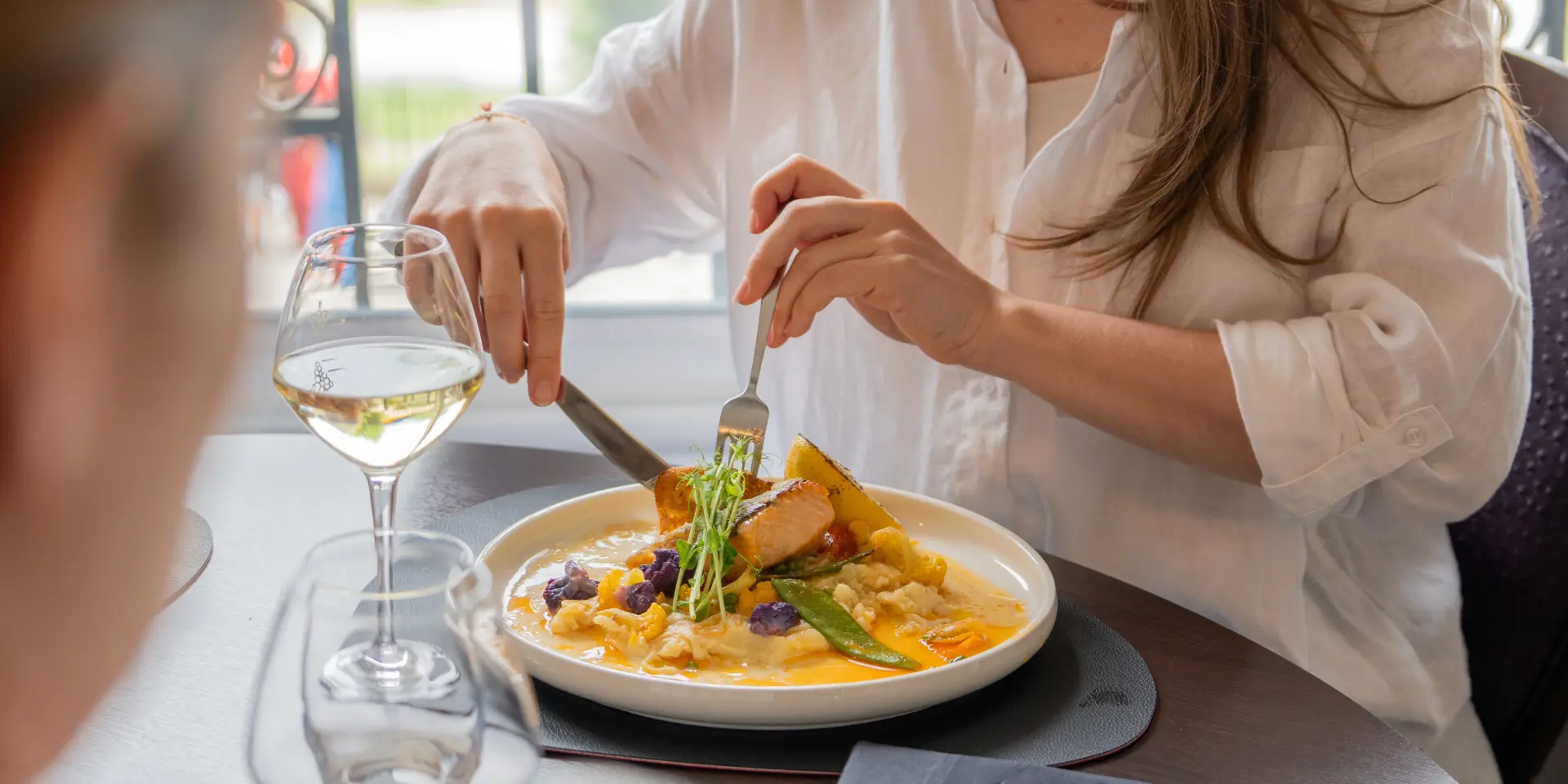
Truite Des Pyrenees 18 Perch, Morgane Maunas
©

Truite Des Pyrenees 18 Perch, Morgane Maunas

Local produce from the Pyrenees a heritage to be savoured

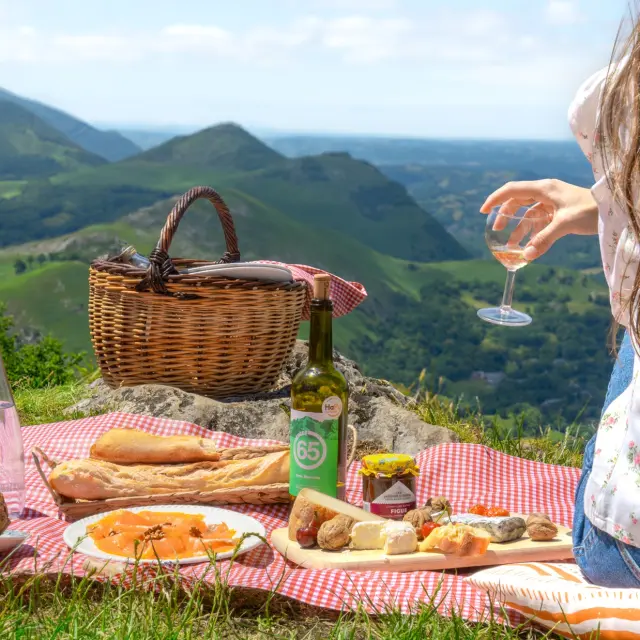
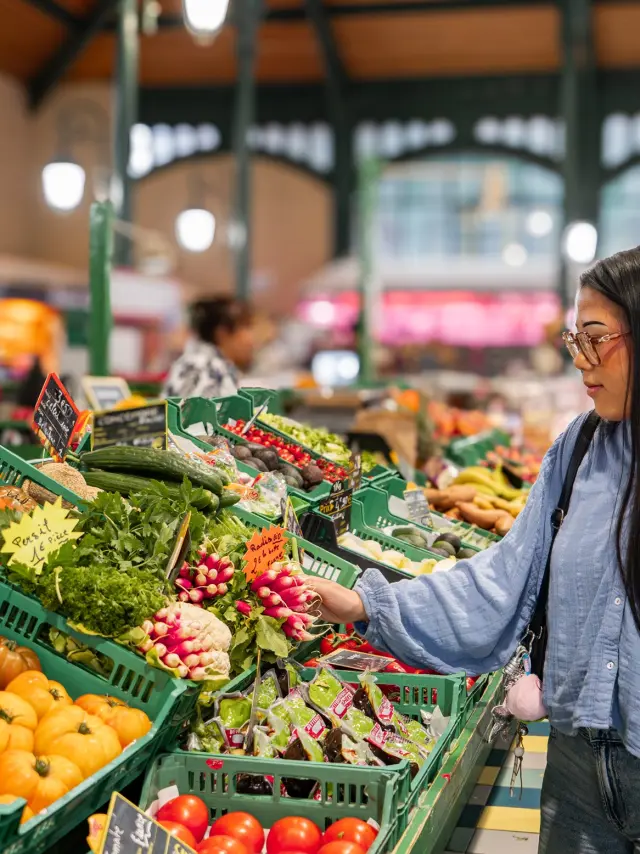
It’s well known that the South-West is synonymous with good food: here, ‘gastronomy’ goes hand in hand with ‘simplicity’, ‘the art of living’, ‘family’ and ‘friends’. Rich (and not just in calories – we know what you’re thinking!) and varied produce, to be savoured as the seasons change and found in Lourdes, in the market halls or in the shops. Sourced from the Hautes-Pyrénées, Occitanie or even from the other side of the Pyrenees – from our neighbours in Aragon, Navarre or the Basque Country – we’re here to help you discover them so that, we hope, you can enjoy them!

What is a local product?

A local product is, first and foremost, a product that hasn’t had to take a long-haul flight to reach your doorstep! It hasn’t travelled round the globe twice and has been grown, harvested or made in a nearby geographical area, estimated to be within a radius of around 150 km. A local product can therefore be regional, Occitan and/or Pyrenean, on either the French or Spanish side of the Pyrenees.😉

It’s also a product that hasn’t passed through many hands: given the short distance involved, there’s no need to go via one or more transporters, wholesalers, retailers, etc. These are therefore generallyshort supply chains, involving a minimum number of intermediaries – on average just one, between the producer and the consumer. Often, farmers or livestock breeders involved in this approach open the doors of their farms so that visitors can come and visit, pick or buy farm produce directly.
Locavore & Slow Food

Eating locally means being part of a virtuous cycle. Behind concepts such as ‘locavore’, short supply chains and sustainable food lies a single aim: to support local producers, offer consumers fresh, seasonal produce, whilst minimising the impact on the environment. By prioritising local produce, everyone helps to support the local economy and preserve agricultural expertise.

Founded in Italy in the 1980s in response to the rise of fast food and mass production, the Slow Food movement champions food that is good, clean and fair. It also works to safeguard heritage varieties, local breeds and iconic products that are sometimes at risk of disappearing. In Bigorre, the Slow Food Bigorre association helps to promote and preserve Pyrenean specialities, with the aim of showcasing all the authentic products of the Pyrenees, on both sides of the border.

HaPy Saveurs The Hautes-Pyrénées label

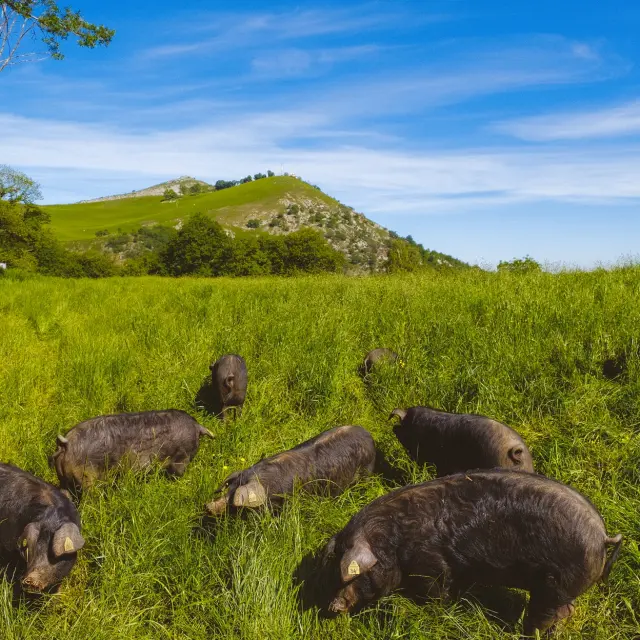
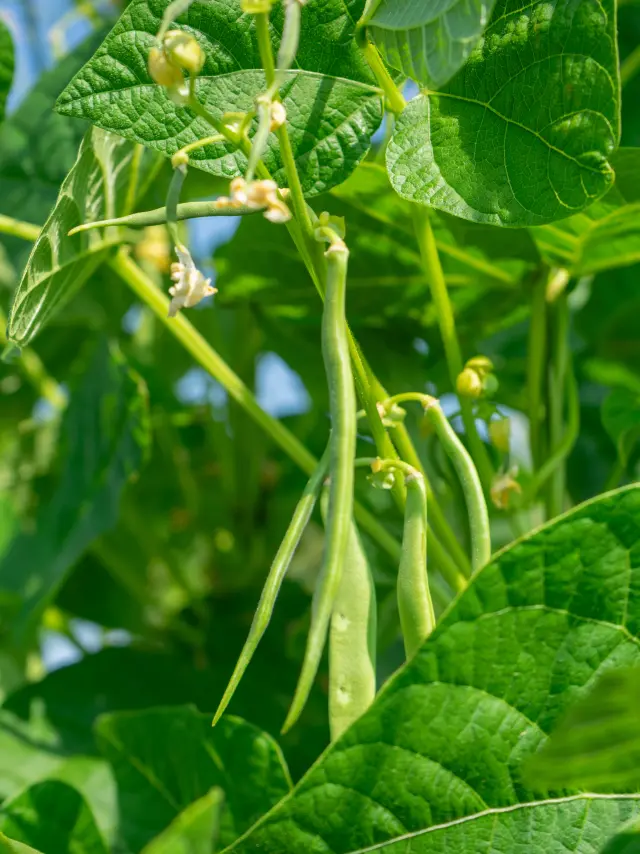
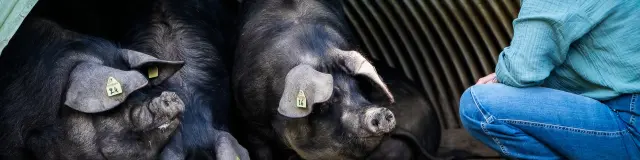
“Eating locally is good for your spirits” – that’s the slogan of the “HaPy Saveurs” label. Because, naturally, when you hear“Bigorre black pork”(PDO since 2017),“Trébons onion”,“Barèges Gavarnie lamb”(AOC in 2003 and PDO in 2008),“Tarbais beans”(PGI in 2000),“black hen from Astarac”…you imagine much more than just a plate of food. You can picture a glimpse of the Cirque de Gavarnie, the cultivated fields from which the snow-capped peaks are visible. These produce form a terroir in their own right and, in our dishes, reflect the landscapes in which they are born.

And yet, they all came very close to disappearing: a pig that takes too long to grow and is too plump for intensive farming; a hen with all-black plumage that lays too few eggs in battery cages; or a spindle-shaped onion, very mild and one that doesn’t make you cry… all ‘flaws’ that are now cherished as treasures! It’s good to be die-hards, and “HaPy Saveurs”, the collective regional brand representing all stakeholders in the Hautes-Pyrénées food system, is here to remind us of this at agricultural fairs, trade shows, and on the shop fronts of participating restaurants and shops.

As well as these well-known local specialities, the ‘Sentinelles’, let’s not forget to mention:

  • All the cheeses, including Ossau Iraty (AOC in 1980 and AOP in 1996), as well as Tomme des Pyrénées (PGI in 1996) and goat’s cheeses
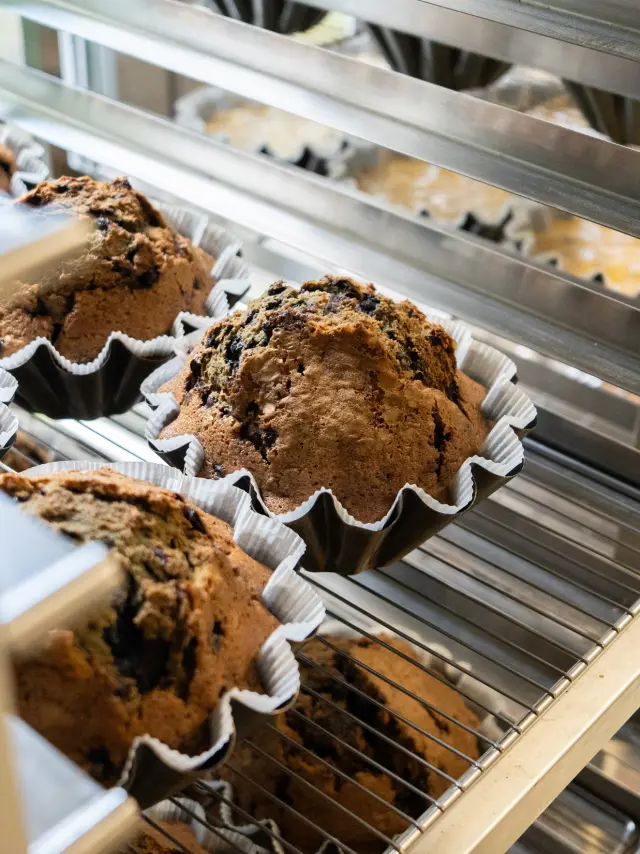
  • Pyrenean tarts (plain or filled with Pyrenean blueberries)
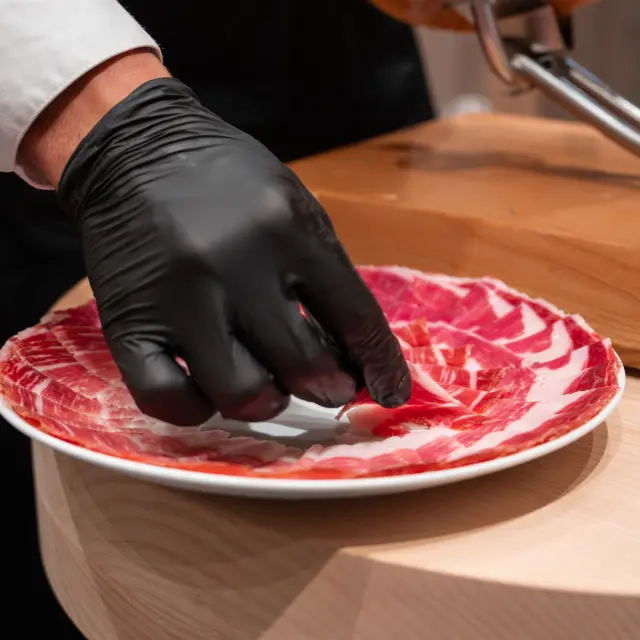
  • The black Iberian pig (a cousin of the Bigourdan)
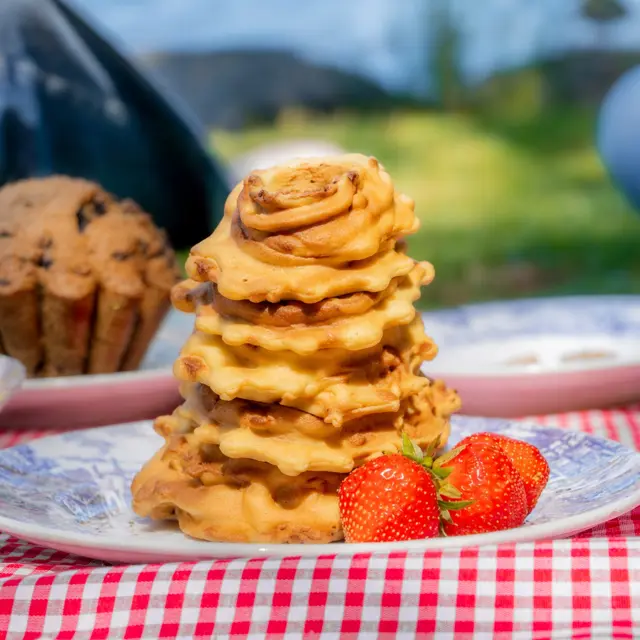
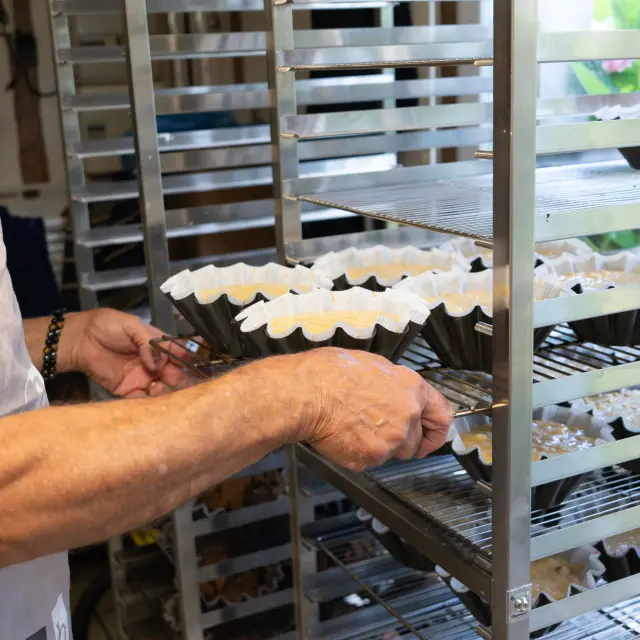
  • Spit-roasted cake
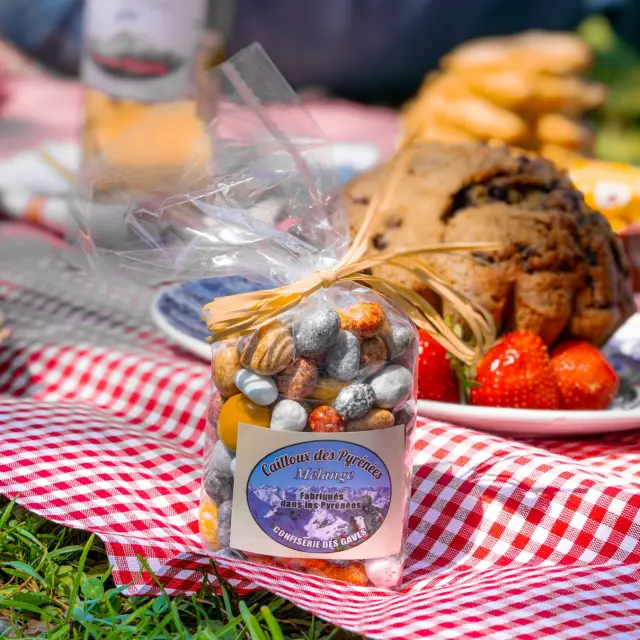
  • Sweets such as the ‘cailloux du Gave’ from Lourdes and the ‘berlingots’ from Cauterets
  • Pyrenean trout
  • Chestnuts
  • Honey
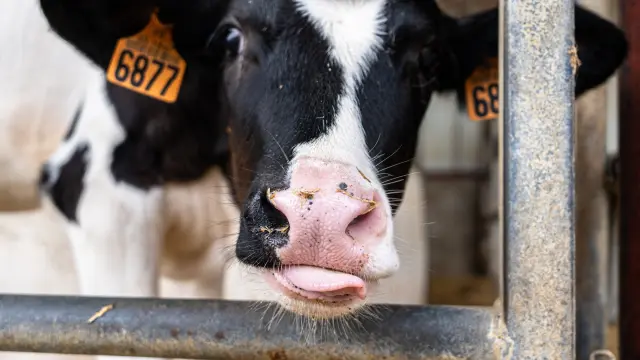
  • The ‘blanc’ of the Hautes-Pyrénées: not alcoholic at all – no, it’s actually excellent milk!
  • Wines: Madiran (AOC and AOP since 1948), Pacherenc du Vic Bilh (AOC and AOP since 1948) and Jurançon (AOC and AOP since 1936), particularly for lovers of red and white wines (this time, yes, they do contain alcohol, so please drink in moderation).

And what if we told you that you can even make paella with rice that’s 100 per cent grown in the Pyrenees? We’re talking about the famous Brazal bomba round grain rice from the ‘Arrocera del Pirineo’, an AOP variety grown in Aragon and Huesca.

Our answers to your questions

Continue An adventure in Lourdes!