Details: Rue du Bourg 2, Lourdes Tourist Information, 2026
©

Details: Rue du Bourg 2, Lourdes Tourist Information, 2026

Lourdes 

20th-century architecture

Lourdes, a 20th-century town

The town of Lourdes underwent radical and sudden changes following the Marian apparitions of 1858. This transformation reached its peak in the interwar period and during the ‘Trente Glorieuses’. The result is a truly remarkable and varied collection of 20th-century architecture.

Emblematic locations

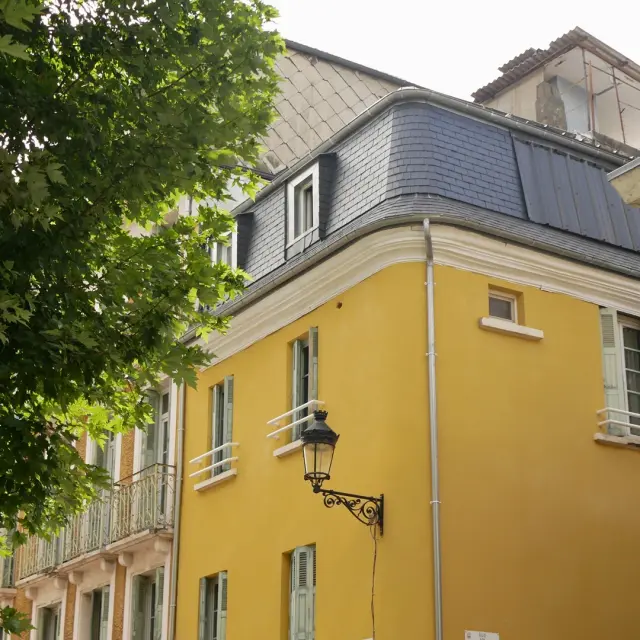
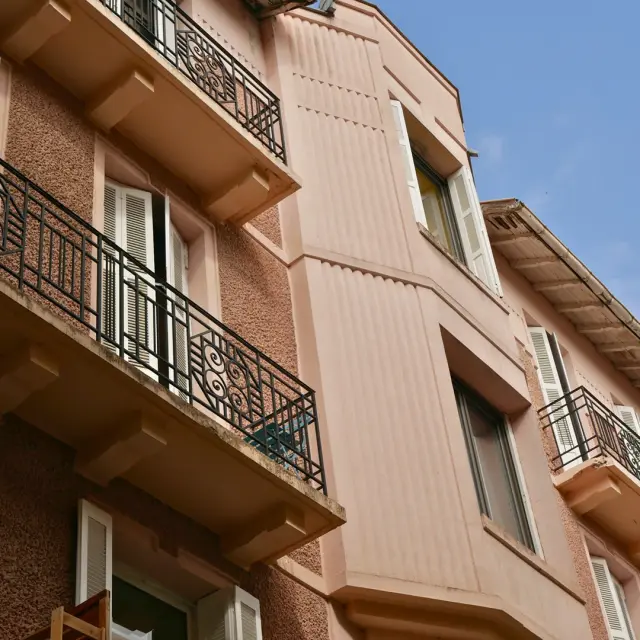
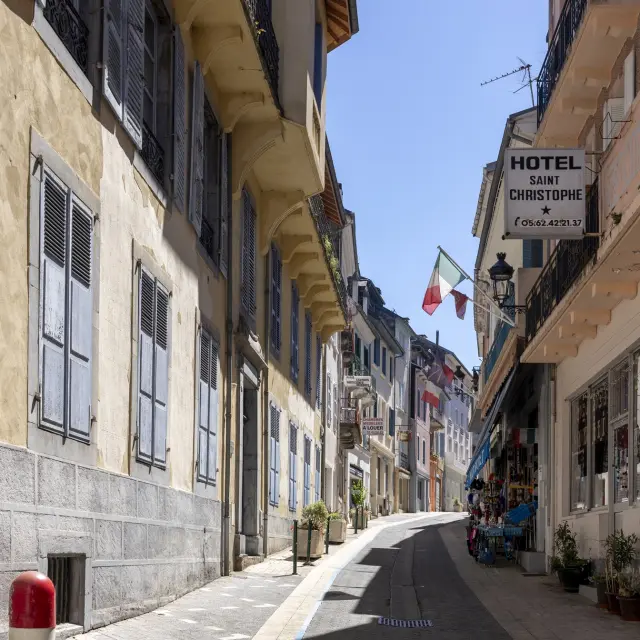
This architecture, typical of the 20th century, can be found in public buildings, hotels, apartment blocks and detached houses alike. The most notable styles areEclectic,Art Deco and Streamline, as well as the chalet or seaside cottage styles…You really must wander around the whole town and, above all, look up, as the ground floors have often been converted.

We cannot describe them all here, but let’s take a look at some of the most iconic examples, apart from those at the sanctuary!
From Place Peyramale to the statues of F. Vilon

The former Tourist Office forms part of the cohesive ensemble ofPlace Peyramale. The square was redesigned in the 1990s and draws directly on its ancient past. Its elliptical shape is reminiscent of the architecture of the Roman forum, though the structure is made lighter by the use of glass and the large portico providing access to the square.

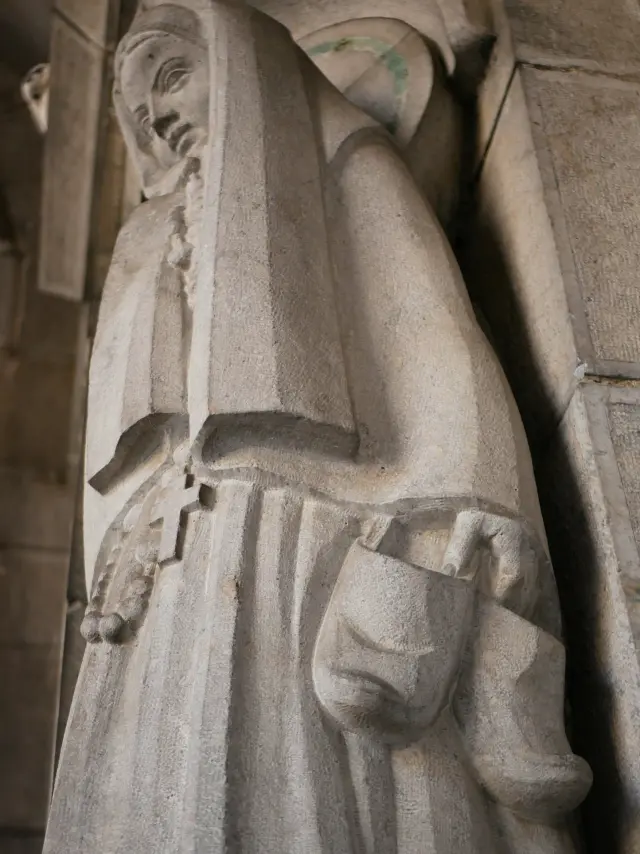
Nearby, the former ‘telephone exchange’ is well worth a look. This building, constructed in 1928 by E. Seyres, was designed to complement the old post office and incorporates the rather classical forms of Eclecticism, whilst utilising modern materials. The sculptures on the façade are the work ofFrançois Vilon (1902–1995). His sculptures, characterised by sharp lines, can also be found under the porch of the parish church, in the Jardin des Tilleuls, under the SNCF bridge, and near the hospital…

Lourdes and the Art Deco style

TheArt Deco style took the city by storm, particularly in the hotel sector, but also in luxury apartment blocks. This is certainly true of the Miramont building, long the tallest and most luxurious in the city, the Hôtel Sainte-Radegonde, the former Hôtel Cazaux and the neighbouring building on Rue des Rochers, and many others.

Remarkable façades

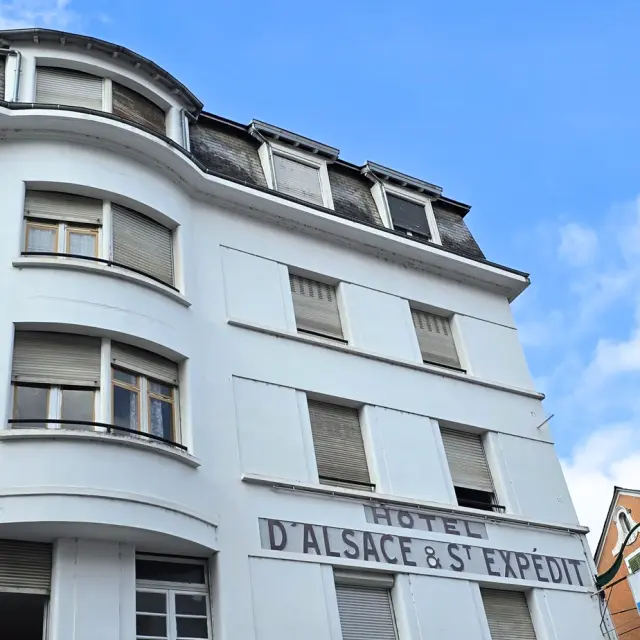
In the late 1930s, building façades began to take on a more rounded shape, and the Streamline movement, inspired by the design of ocean liners, took hold, as seen at the Hôtel Cristal and the Hôtel Christina, though collective housing also drew inspiration from it (several examples can be found along the city’s central axis).

The Neo-Basque style enjoyed some success in the 1950s, with numerous villas springing up on the outskirts of the main thoroughfares, but a well-established venue had already introduced this style in the 1930s: the Majestic cinema-restaurant. This Neo-Basque style followed on from the seaside fashion of the 1920s, of which there are several examples at the foot of the Pic de Jer and at the funicular station.

Take a stroll and explore – over a hundred buildings of architectural interest have been listed.

Our answers to your questions

Continue An adventure in Lourdes!