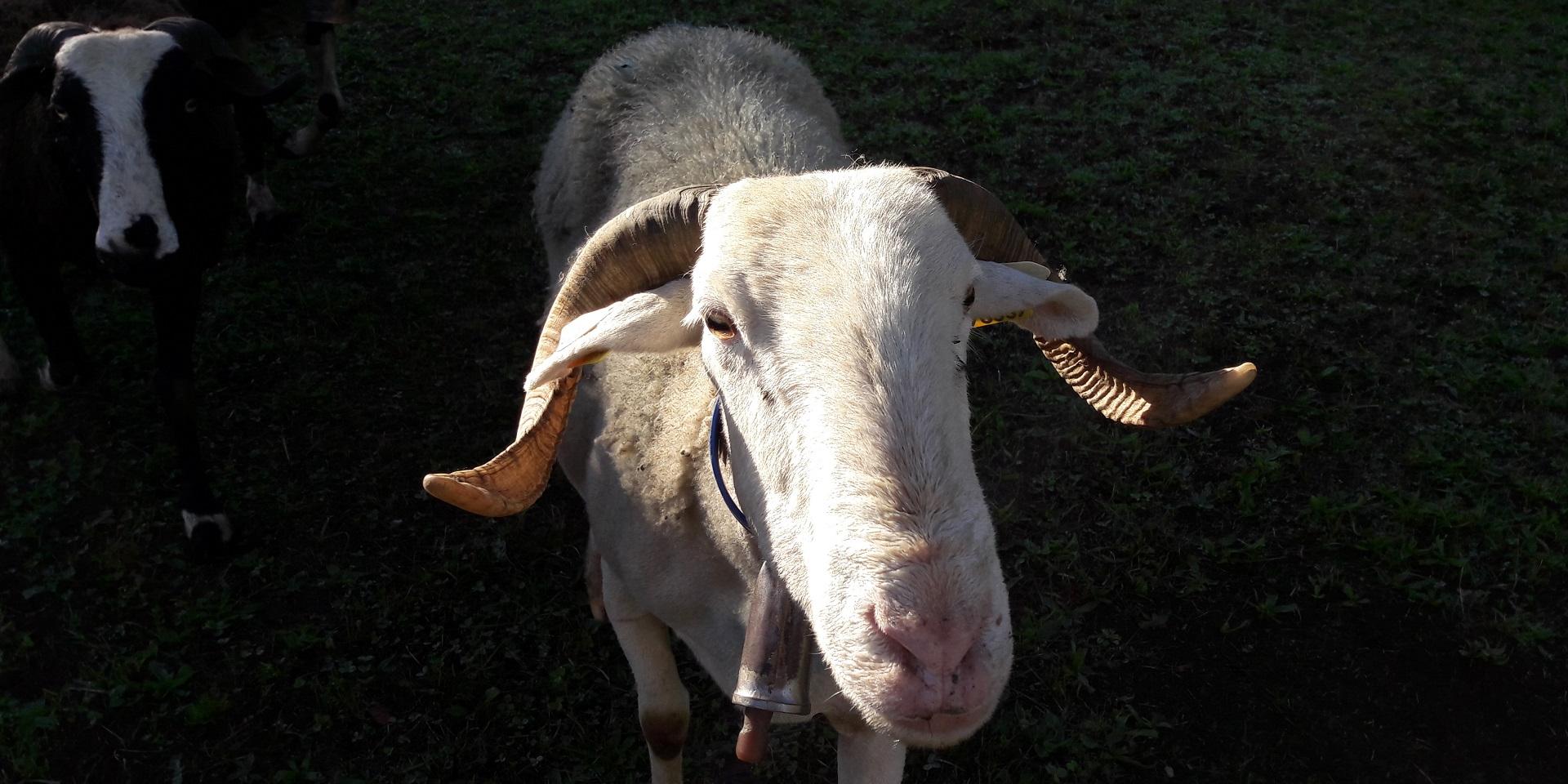
St Michel Luz Sheep
©

St Michel Luz Sheep

|

HPTE OT Luz

Made in 

Pyrenees

Wool from the Pyrenees

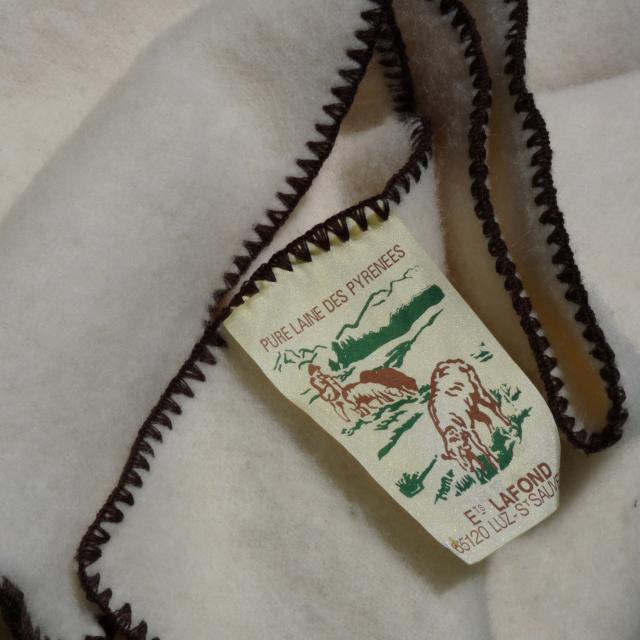
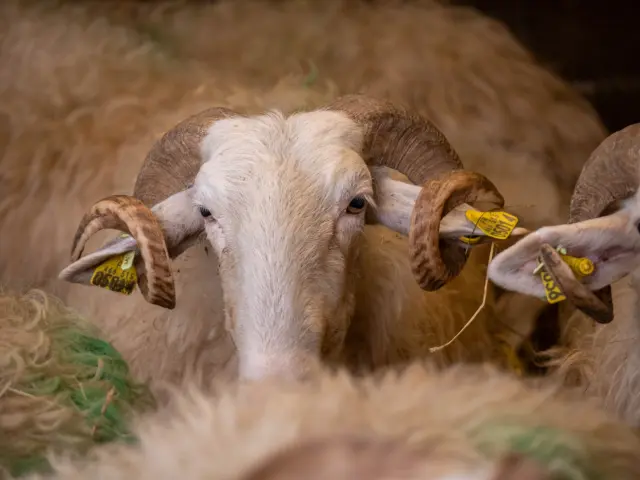
Whilst they are now regarded as one of the symbols of the Pyrenees thanks to their milk (Pyrenean cheeses) and their meat (Barèges Gavarnie PDO), Pyrenean ewes are also the source of a product that is less common these days but was once so vital: wool. Let’s discover this little-known yet truly noble material…

A heritage of craftsmanship waiting to be discovered

Once upon a time men and sheep

Introduced to the Pyrenees several thousand years ago, sheep soon came to play a leading role in human history. Providing the milk needed to make butter and cheese, and serving as a source of meat for the stockier breeds, ewes soon found their place in Pyrenean families.

Migrating in spring to the high-altitude pastures, from which they return each autumn, they are sheared of their fleece in the meantime: the use of wool as a textile fibre dates back to the Bronze Age, and people were already weaving in the Pyrenees more than twenty centuries ago! Wool was used alongside flax and hemp, two plants also employed in the making of sturdy clothing that could withstand the elements and the cold.
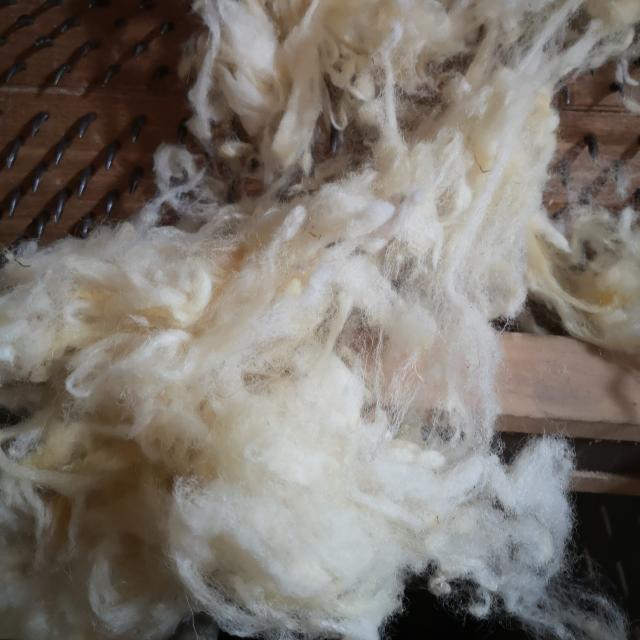
Wool in the manufacture of clothing

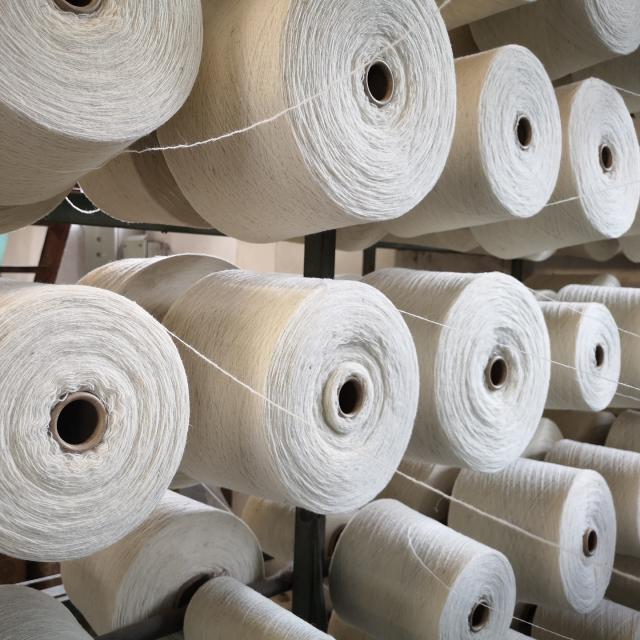
Once the precious material has been harvested, it is carefully washed, carded (the word ‘carding’ comes from ‘chardon’, a wild plant with sturdy thorns that act as natural combs to untangle and fluff up the wool fibres), spun and wound into skeins or balls before being knitted. Traditionally, these tasks are carried out at home and are the responsibility of women or the elderly, who no longer go out into the fields very often.

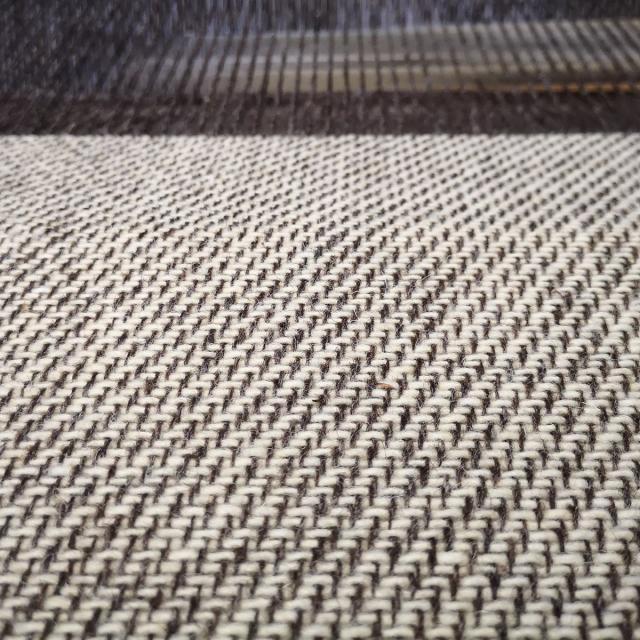
The wool was also sorted for its future use: the whitest was used to make fine sheets and garments, whilst the browner or blacker shades were used to produce more utilitarian items: berets, socks, mattresses and blankets that were less refined but no less warm. For shirts and underwear, linen was the preferred choice, as its cultivation was widespread in the central Pyrenees (and around Lourdes in particular), to such an extent that Bigorre was once known as ‘the Blue Country’, due to the blue colour of the flax flowers.

4 reasons to love wool from the Pyrenees
Ultra-local

It’s just a stone’s throw from the mountain pastures of the Béarn and Bigorre valleys to the dairies at the foot of the Pyrenees.

Alive

Low water permeability, breathable, temperature-regulating, UV-protective and hypoallergenic… wool really does have it all!

Tireless

Clothes that last not just a season but a lifetime, so you can remember the Pyrenees even after your holiday is over.

Ethics

Short supply chains, making the most of a natural material, local employment and clothing designed to last – wool from the Pyrenees has a heart of its own.

So what now? Key points to remember.

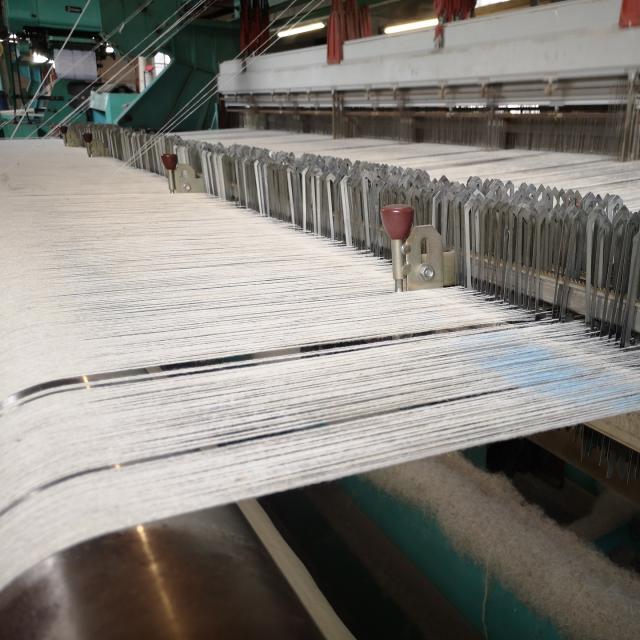
Following a golden age in the late 19th century, marked by the mechanisation and industrialisation of woollen goods production in the Pyrenees in certain towns in the Piedmont region (Saint Gaudens, Pau, Oloron, Bagnères-de-Bigorre, Bruges, Pontacq…), the industry all but disappeared by the end of the Second World War.

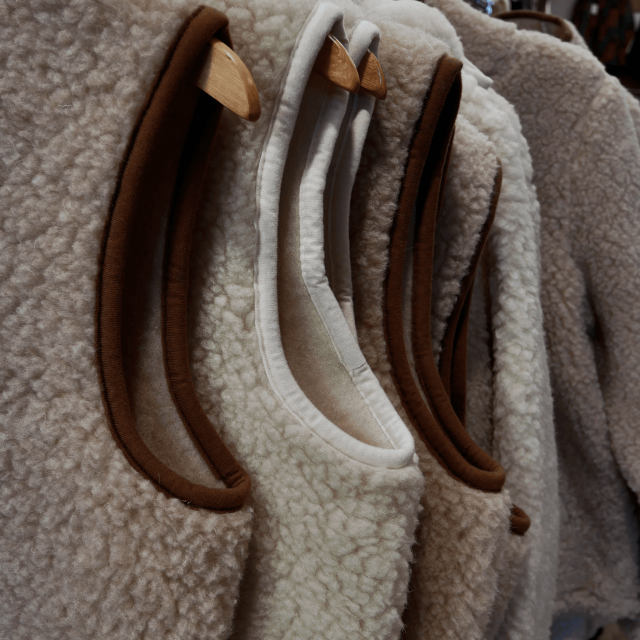
However, its use is gradually making a comeback: indeed, wool is a natural, insulating and durable material, and possesses many qualities that are now sought after as an alternative to synthetic materials. Its production, which has always been local and which gave it the name ‘Pyrenean woollen fabrics’, is now a considerable asset in this era of ‘Made in France’ and the promotion of local producers.

Pyrenean woollens – whether still on the backs of the sheep you might come across on your hikes or felted to make traditional berets – still have many stories to weave…

Mont Valier Cut-out by F. Gouy
©

Mont Valier Cut-out by F. Gouy

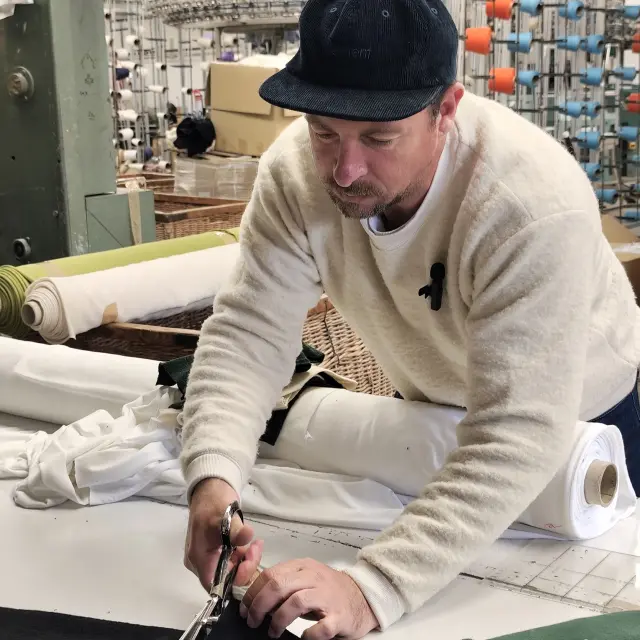
Taking part in the E Fashion Awards competition has been a truly enriching experience for me. It’s a unique opportunity to showcase our Pyrenean craftsmanship and our love for the region. This competition highlights our commitment to sustainable fashion and #MadeInFrance, whilst celebrating our authenticity. I am delighted to have taken part in this competition and to have been able to raise awareness of local production and the reuse of Pyrenean wool, which is still often regarded as waste.

Frédéric Gouy – founder of the Mont Valier brand

Get ready for your outing!