Tarbais beans, Patacq, E. Dussarps, Tourismelourdes 2025 8 2
©

Tarbais beans, Patacq, E. Dussarps, Tourismelourdes 2025 8 2

Meeting with The Tarbais bean a gastronomic treasure of the Pyrenees

At Patacq’s

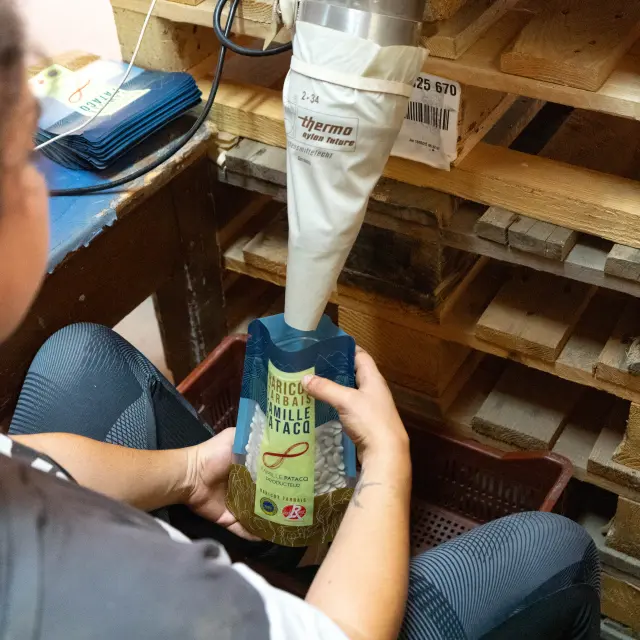
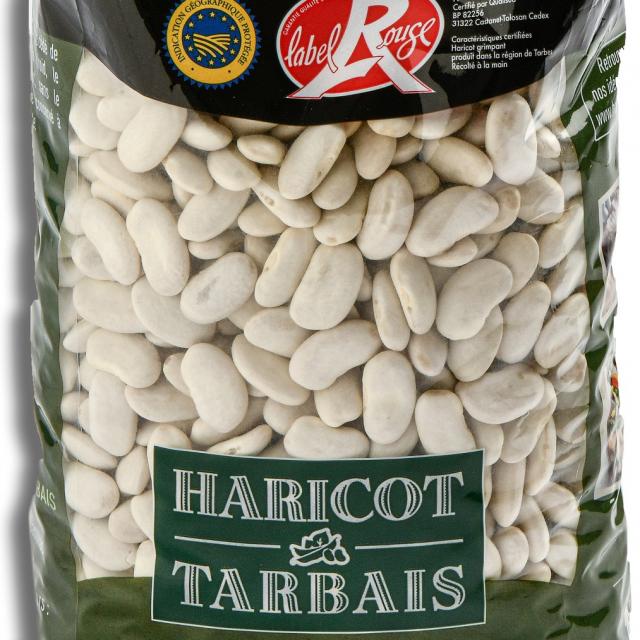
On the border between Béarn and Bigorre, the Patacq family grows the small beans so well known to food lovers: Tarbais beans…

A taste of authenticity

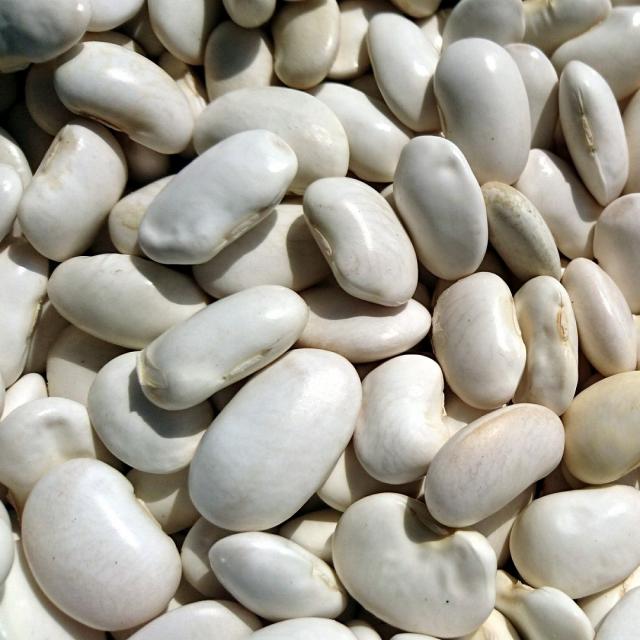
“Without wanting to sound chauvinistic in the slightest – and it’s a well-known fact anyway – the Tarbais bean is the best; it’s the finest white bean in the world.”

Jean-Paul Patacq

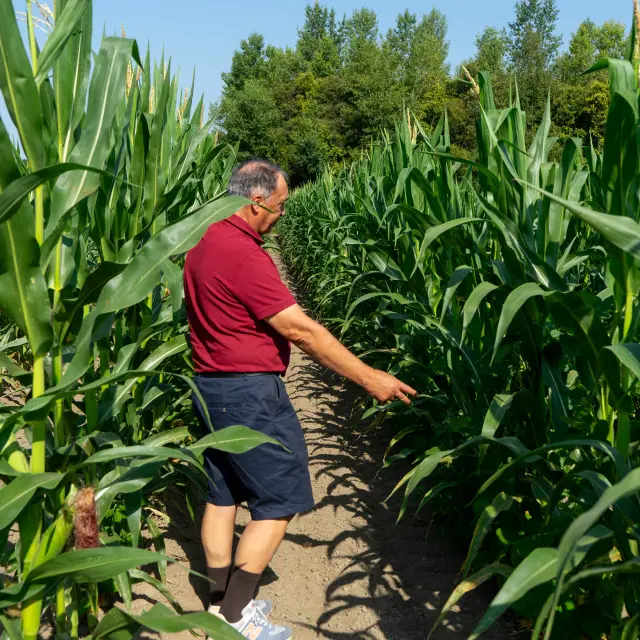
That says it all on this lovely summer’s morning as Jean-Paul Patacq welcomes us to his home. His home is the farm that has been passed down through generations; he’s lost count of how many, but he keeps written records of land purchases by the Patacq family dating back to the 17th century.

Suffice to say that if there’s one person who knows all there is to know about this little Bigourdan bean that’s made a name for itself all over the world, it’s Jean-Paul!
So the question is: But where on earth did that bean come from?

From the discovery of the New World in the 16th century. A staple food for indigenous peoples, just like maize or potatoes, bean seeds were brought back to the Iberian Peninsula and eventually crossed the Pyrenees in the early 18th century, where they found fertile soil and a temperate climate, allowing them to grow at ever higher altitudes!

A staple of the peasant diet in decline

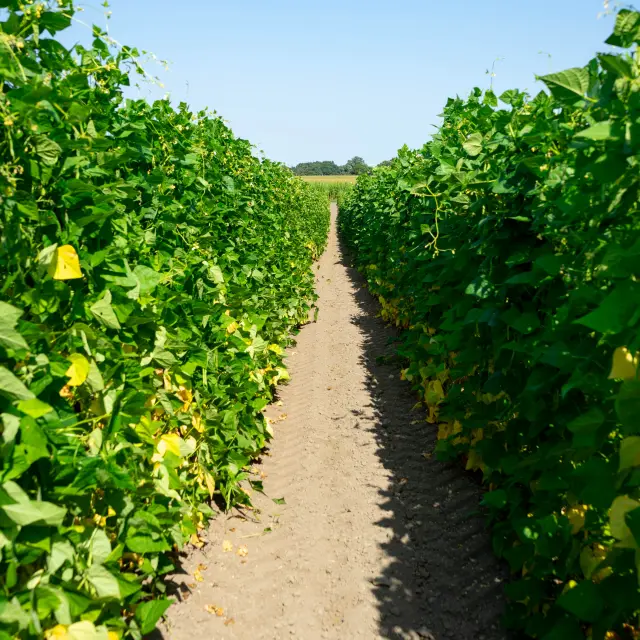
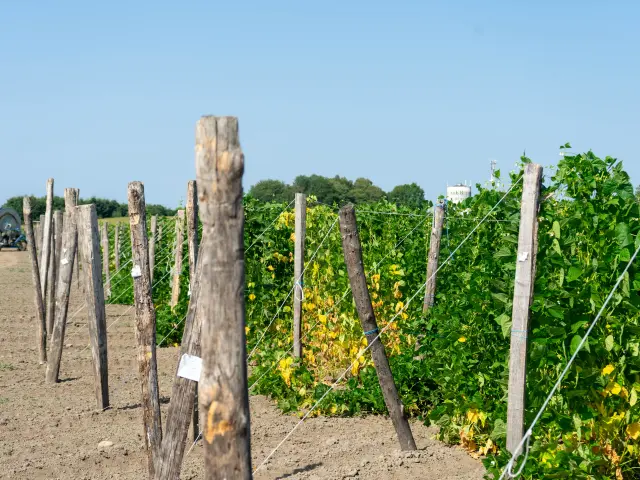
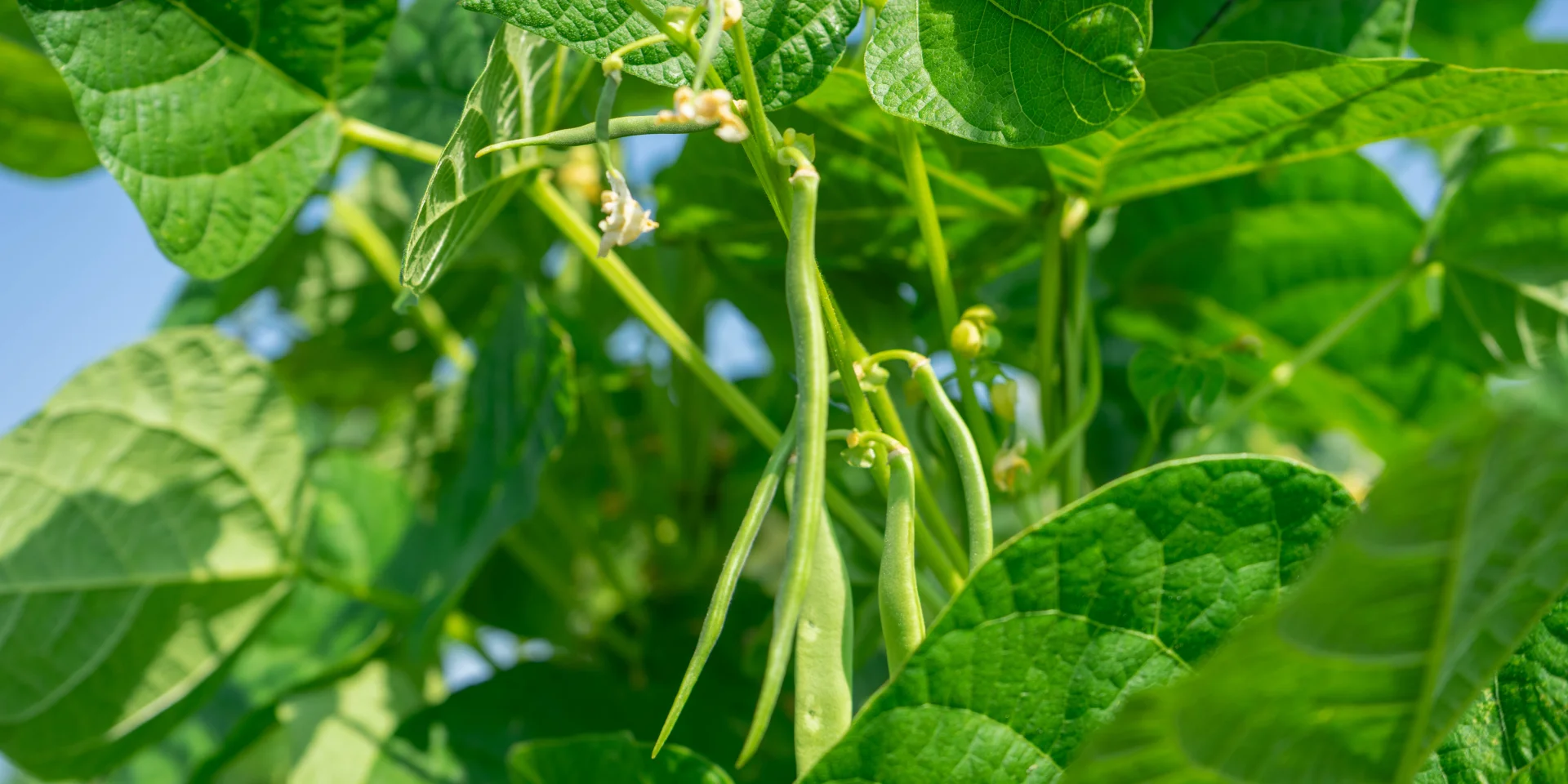
The Tarbais bean is first and foremost a plant grown in family vegetable gardens for personal consumption. Gradually, its exceptional symbiosis with maize – which it climbs without smothering – became a distinctive feature that earned it its other name, the ‘maize bean’. The two crops remained closely linked for a long time until the emergence, in the 1960s, of high-yield maize varieties. The cultivation of beans, which was less profitable and involved labour-intensive manual harvesting, then became less common.

Nutritious, they also keep well once dried. Once all other foodstuffs had been consumed first – wheat, spelt, seasonal fruit and vegetables – only the sacks of beans remained. This is the origin of the famous expression ‘la fin des haricots’ (‘the end of the beans’), because once the bean supplies had run out, there was generally not much left in the granaries.

And the bean is making a comeback

Yet at village festivals, during pig-slaughtering celebrations, weddings and other occasions that mark the rhythm of the year in the villages – when everyone comes together – amongst the charcuterie and meats that are enjoyed on these special occasions, beans are always there! Every farm, every household has its own recipe (the best one) and its own beans (the best ones), specific to the land where they were grown, in their local terroir.

It is during these gatherings that the little bags of seeds are exchanged. From all these mixtures and cross-breeds, the ‘Alaric’ Tarbais bean emerged, awarded a Label Rouge in 1997 and then PGI status in 2000.

What’s in store for you
A PGI

Mainly in the Hautes-Pyrénées, but also in the Gers, Haute-Garonne and Pyrénées-Atlantiques.

Hand-picked

With due care for the maize and bean plants.

Sweet and Savoury

Well then, from starters to dessert: Tarbais beans.

Nutrition

Packed with protein, iron, B vitamins – including B9 (folate) – magnesium, zinc and potassium, it’s just the ticket!

One bean, a thousand recipes Key points to remember.

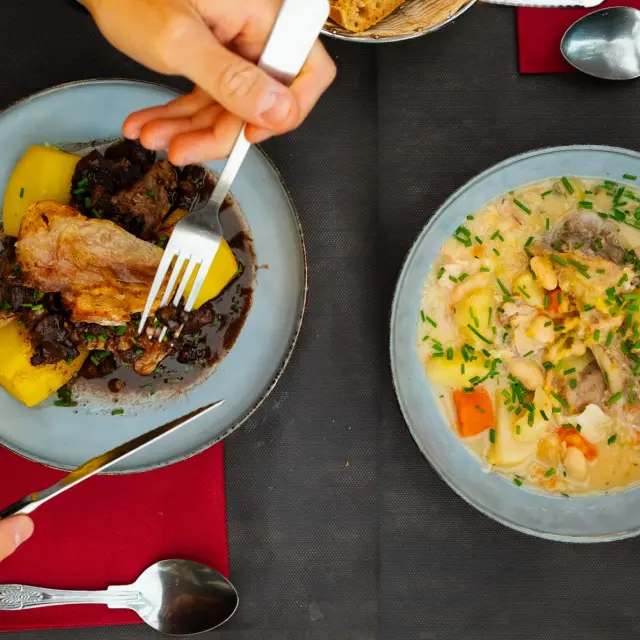
A few recipes for the summer: Tarbais bean salad? A classic!

  • Mediterranean-style with cherry tomatoes, feta, olives, oregano and a drizzle of olive oil
  • Landes-style with duck gizzards, soft-boiled egg and balsamic vinegar

And in winter, our one and only love: garbure!

Find the recipes on the Patacq family’s website

Get ready for your outing!